Healing & Peer Support
Creating Safe Spaces for Support, Recovery, Wellness, and Community Care
IRSJA develops peer-support models, healing-centered programs, trauma-informed training, restorative spaces, and practitioner wellness initiatives for people and communities impacted by violence, trauma, incarceration, grief, and loss.
IRSJA healing and peer-support programs are educational, peer-led, community-based, and nonclinical unless a service is specifically delivered by a qualified licensed professional or clinical partner. Peer support does not replace therapy, diagnosis, or emergency mental health care.
Healing Is Part of Public Safety
Violence prevention cannot focus only on what happens in the street. It must also address what happens inside people, families, organizations, and communities after trauma.
IRSJA creates spaces where people can be heard, supported, equipped, and connected through peer support, healing circles, trauma-informed practice, restorative dialogue, grief support, and collective care.

How We Support Healing
Connection. Awareness. Collective Care.
Peer Support
Connection with people who understand shared experiences, reduce isolation, build trust, and offer support.

Women gather at a Rise Up event. A facilitator leads a Black Women’s Lives Matter wellness workshop.
Trauma-Informed Practice
Understanding trauma, recognizing triggers, setting boundaries, preventing burnout, and using healing-centered approaches.
Healing Circles
Structured spaces for reflection, listening, storytelling, emotional awareness, accountability, and collective care.

Wellness and Restorative Care
Wellness. Leadership. Restorative Care.
Practitioner Wellness
Youth Peer Support
Restorative Community Care
Support for frontline workers carrying secondary trauma, grief, stress, and the emotional impact of community work.
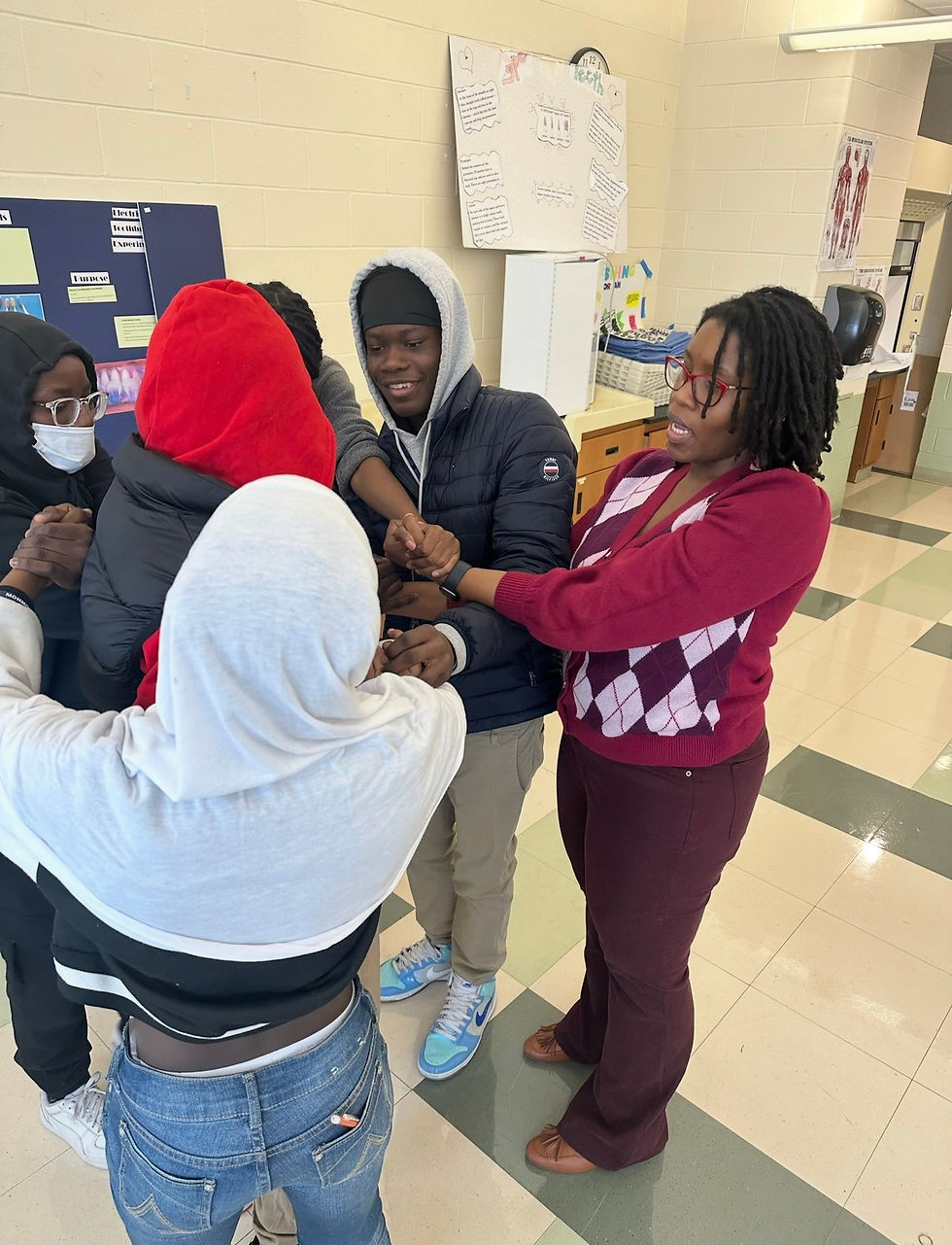
Mental health awareness, safe-space facilitation, supportive check-ins, referral practices, and youth leadership.
Relationship repair, accountability, dialogue, grief support, and healing-centered responses to harm.


Healing the Wounded Healer
Care for the people who carry the work. Credible messengers, violence prevention workers, peer leaders, and community practitioners often carry the effects of what they hear and witness on the job. Healing the Wounded Healer makes room for them to care for themselves while they care for others.
Lakeesha Eure, LCSW, and Andre “A.T.” Mitchell-Mann draw on frontline practice in 10 Steps to Healing the Wounded Healer. The training helps practitioners recognize secondary trauma and burnout, set boundaries, and build habits of reflection and peer support they can use in their work.
Bring this training to your team. IRSJA works with community organizations and public agencies to support frontline staff and build healing-centered practice into their programs.

Lakeesha Eure, LCSW, presents Healing from the Inside Out at Incredible Messenger University.
